 ENGLISH
 ESPAÑOL
 العربية
 PORTUGUÉS
 FRANÇAIS

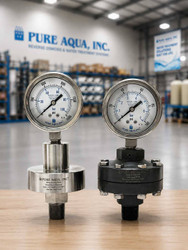
5 Warning Signs Your RO System Needs Maintenance | Pure Aqua
Posted by Pure Aqua, Inc. on Aug 10th 2026
How Do You Know When Your RO System Needs Maintenance?
A properly maintained reverse osmosis (RO) system can provide years of reliable, high-quality water production. However, membrane fouling, mineral scaling, biological growth, and changing feed-water conditions gradually reduce system performance. Ignoring these early warning signs often results in higher operating costs, reduced membrane life, poor water quality, and unexpected downtime.
Whether you operate an industrial reverse osmosis system, commercial RO plant, or municipal water treatment facility, monitoring key operating parameters is essential for maximizing efficiency and protecting your investment.
This guide explains the five most common warning signs that indicate your reverse osmosis system may require maintenance, membrane cleaning, or pretreatment adjustments.
1. Increasing Operating Pressure
One of the earliest indicators of membrane fouling is a gradual increase in operating pressure.
As contaminants accumulate on the membrane surface, the high-pressure pump must work harder to maintain the same permeate production.
Common causes include:
- Calcium carbonate scaling
- Silica deposits
- Iron fouling
- Biological growth
- Organic fouling
- Colloidal particles
- Poor pretreatment
Simply increasing pump pressure is not a solution. Instead, investigate the underlying cause before permanent membrane damage occurs.
Related Products
- Reverse Osmosis Systems → https://pureaqua.com/reverse-osmosis-systems/
- Antiscalants → https://pureaqua.com/what-is-ro-antiscalant/
- Multimedia Filters → https://pureaqua.com/media-filtration-systems/
2. Declining Permeate Flow
Reduced permeate flow is one of the most common indicators of membrane fouling.
When deposits begin restricting water flow through the membrane, production gradually decreases.
Possible causes include:
- Mineral scaling
- Organic contamination
- Biofouling
- Suspended solids
- Aging membranes
- Inadequate pretreatment
Before scheduling membrane replacement, compare normalized flow with the system's original operating conditions, since feed-water temperature also affects production.
3. Higher Product Water TDS
Reverse osmosis membranes are designed to reject dissolved salts.
If product water conductivity or TDS begins increasing, the membranes may no longer be providing proper salt rejection.
Possible causes include:
- Membrane damage
- Oxidation
- Fouling
- Scaling
- Damaged O-rings
- Membrane aging
Monitoring product water TDS daily helps detect membrane problems before significant production losses occur.
Related Products
- Industrial Reverse Osmosis Systems → https://pureaqua.com/industrial-reverse-osmosis-systems/
- RO Membranes → https://pureaqua.com/reverse-osmosis-membranes/
4. Frequent Membrane Cleaning
Chemical cleaning is part of normal RO maintenance.
However, if cleaning intervals continue getting shorter, the real problem usually lies upstream.
Typical causes include:
- Poor pretreatment
- High SDI
- Inadequate cartridge filtration
- Incorrect antiscalant dosage
- Biological contamination
- High recovery
- Poor system operation
Instead of cleaning more frequently, evaluate the pretreatment equipment to eliminate the root cause.
Related Products
- Membrane Cleaning Systems → https://pureaqua.com/membrane-cleaning-systems/
- Cartridge Filters → https://pureaqua.com/cartridge-filter-housings/
5. Visible Scaling or Fouling
Visible deposits around pressure vessels, cartridge filters, or piping often indicate developing membrane fouling.
Common foulants include:
- Calcium carbonate
- Silica
- Iron
- Manganese
- Organic matter
- Biological growth
Visible scaling should always be investigated before it impacts membrane performance.
Why Early Detection Matters
Monitoring system performance allows operators to detect problems before they become expensive failures.
Benefits include:
✔ Longer membrane life
✔ Lower operating costs
✔ Improved water quality
✔ Reduced chemical consumption
✔ Less unplanned downtime
✔ Higher energy efficiency
✔ Increased system reliability
RO Maintenance Checklist
Monitor these parameters daily:
| Parameter | Warning Sign |
|---|---|
| Feed Pressure | Increasing |
| Permeate Flow | Decreasing |
| Product Water TDS | Increasing |
| Differential Pressure | Increasing |
| Cleaning Frequency | More frequent |
| Recovery | Outside design limits |
| Feed Water Quality | Changes in hardness, silica, iron, SDI |
Maintaining a daily operating log makes it much easier to identify gradual membrane deterioration.
Frequently Asked Questions
How often should RO membranes be cleaned?
Most industrial RO systems require membrane cleaning when normalized permeate flow decreases by approximately 10%, differential pressure increases significantly, or product water quality begins to decline. Actual cleaning frequency depends on feed-water quality and pretreatment performance.
What causes RO membrane fouling?
The most common causes include mineral scaling, silica, biological growth, colloidal particles, iron deposits, organic contamination, and poor pretreatment.
What is the first sign of membrane fouling?
A gradual increase in feed pressure is often the earliest indication that fouling or scaling is developing on the membrane surface.
How do I extend RO membrane life?
Proper pretreatment, regular monitoring, correct antiscalant dosing, timely membrane cleaning, and maintaining operating conditions within the original design parameters significantly increase membrane life.
Conclusion
Reverse osmosis membranes rarely fail without warning. Increasing operating pressure, declining permeate flow, rising product water TDS, frequent cleaning requirements, and visible scaling are all signs that your RO system needs attention. Early diagnosis helps reduce operating costs, improve water quality, and maximize membrane life.